
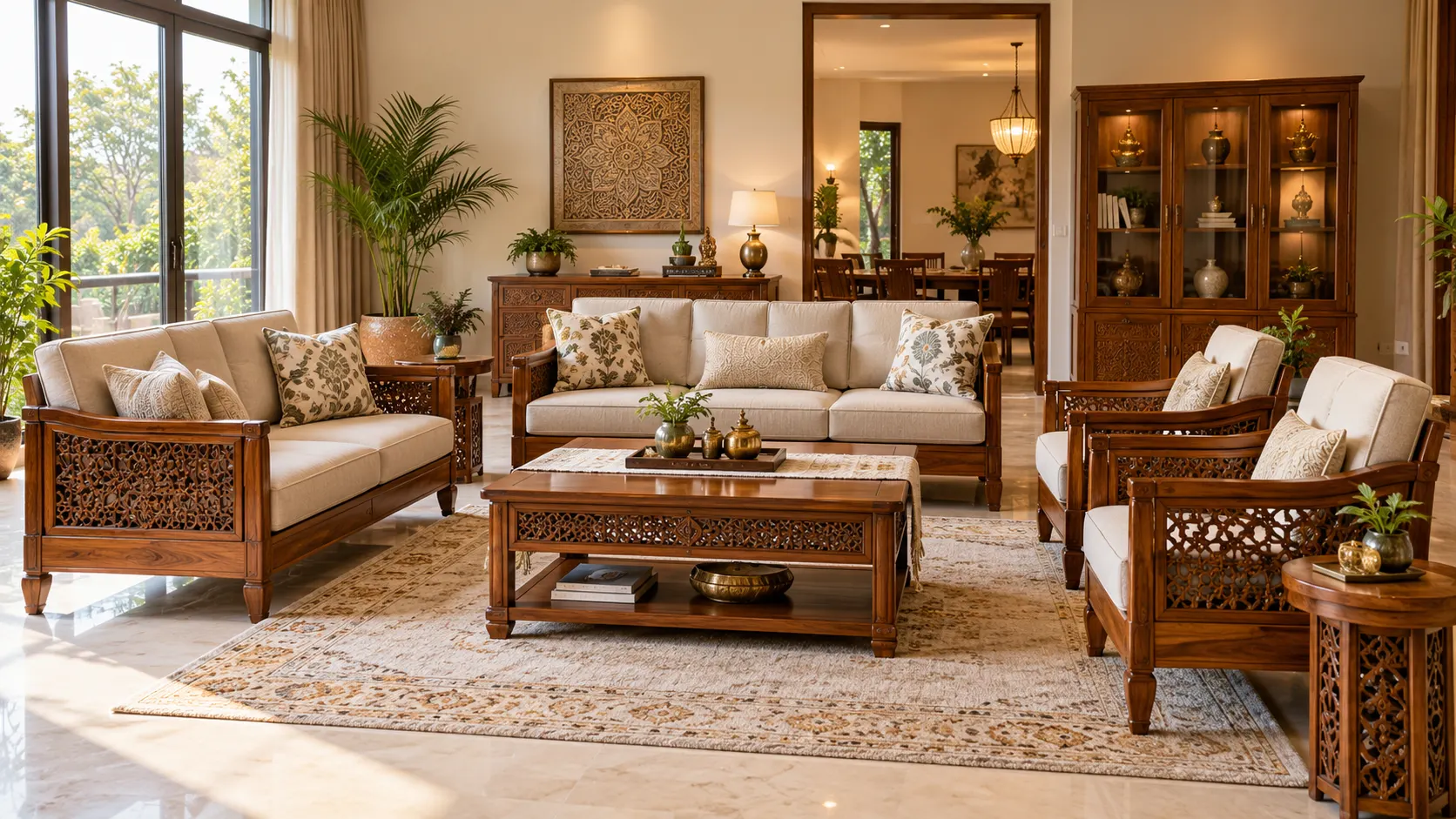
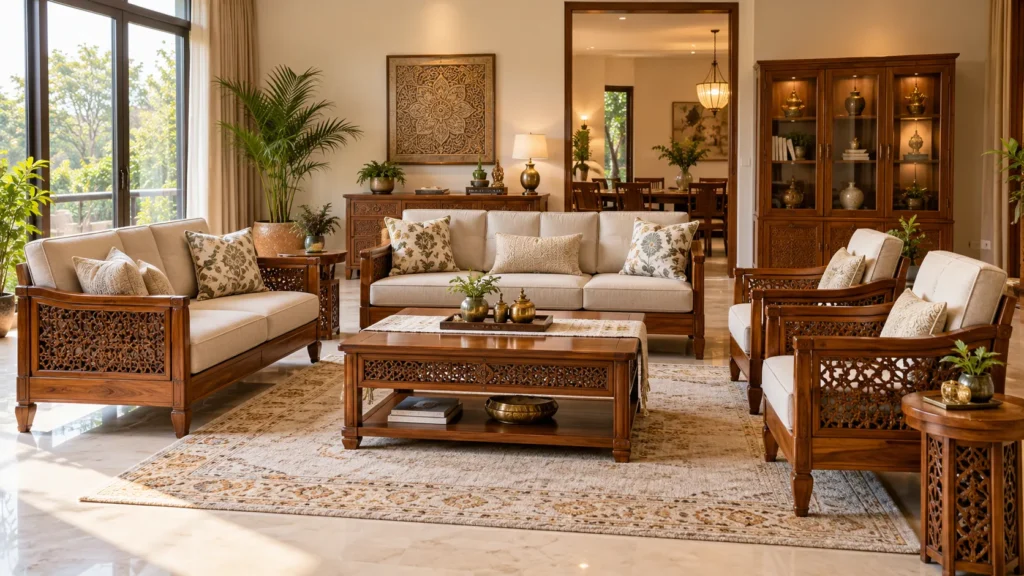
Choosing the right furniture shop Saharanpur residents can rely on involves more than finding an attractive sofa or a beautifully designed bed. Furniture should fit your available space, support your everyday routine, match your preferred interior style, and offer clear information about its materials, construction, and overall cost.
Whether you are furnishing a new home, updating your living room, redesigning your bedroom, or selecting furniture for an office, taking time to compare your options can help you make a more informed decision. Saharanpur, Uttar Pradesh, is associated with traditional woodcraft, making furniture design and craftsmanship relevant considerations for buyers exploring different styles. However, decorative appearance alone should never determine the quality of a particular product.
A useful starting point is to identify your requirements, establish a realistic budget, measure your rooms, and shortlist furniture sellers who can answer your questions clearly.
Fatima Handicraft presents furniture categories for living rooms, bedrooms, dining spaces, and other interiors on its official website. This guide explains what to look for when comparing furniture options in Saharanpur and how to approach your purchase with greater confidence.
1. Start by Understanding Your Furniture Requirements
Before visiting a furniture shop or browsing an online catalogue, consider exactly what you need. Shopping without a clear plan can make it difficult to compare products and may lead to purchases that do not work well in your home.
Begin with the room you want to furnish. A living room might need a comfortable sofa and a centre table, while a bedroom may require a bed, wardrobe, and bedside storage. An office may have different priorities, such as a suitable desk, supportive seating, and space for equipment.
Make a list of essential furniture
Separate essential purchases from items that can be added later. This is especially helpful when furnishing a home on a defined budget.
For example, your list might include:
- Living room: sofa set, centre table, and additional seating if space permits.
- Bedroom: bed, wardrobe, bedside tables, and other necessary storage.
- Dining area: dining table and chairs suited to your household.
- Home office: desk, chair, and practical storage.
- Entrance or hallway: a compact table or storage unit, if required.
This approach helps you prioritise function before appearance. It also makes it easier to compare a furniture seller’s available categories against your actual requirements.
You can begin by browsing the Fatima Handicraft furniture collection to explore the categories presented on the website.
Consider how the furniture will be used
Furniture requirements vary according to lifestyle. A family that regularly entertains guests may prioritise seating capacity, while someone working from home may need a dedicated desk and a comfortable chair.
Think about daily routines, available storage, children or pets in the household, cleaning preferences, and the amount of use each piece will receive.
A decorative chair used occasionally has different practical requirements from a dining chair used several times every day. Similarly, a wardrobe for everyday clothing needs an internal arrangement that suits your storage habits.
The more clearly you define your requirements, the easier it becomes to identify suitable options at a furniture shop in Saharanpur.
2. Check Furniture Quality Beyond Its Appearance
Furniture photographs and showroom displays can help you compare styles, but appearance alone does not reveal everything about construction quality. When possible, inspect the actual item and ask the seller to explain the materials and construction methods.
Examine the frame and joints
For wooden furniture, look at the joints, legs, corners, edges, and supporting structure. The item should feel stable when used as intended. Notice any unexpected movement, visible separation between joined parts, rough edges, or signs of poor assembly.
For upholstered furniture, ask about the supporting frame, cushioning, fabric, and stitching. Check whether the cushions sit evenly and whether the seating feels appropriate for your intended use.
For tables and chairs, check stability and examine how the legs connect to the main structure. For wardrobes and cabinets, open the doors and drawers where possible to see whether they move smoothly and align properly.
These checks do not guarantee long-term performance, but they provide useful information before making a purchase.
Look carefully at the finish
The finish affects both appearance and maintenance. Examine visible surfaces under good lighting to identify uneven colouring, rough patches, chipped edges, or inconsistent finishing.
For carved furniture, inspect detailed areas closely. Decorative patterns can add character, but intricate sections should also be reasonably finished and suitable for their intended use.
Ask the seller how the particular surface should be cleaned. A care method suitable for one finish may not be appropriate for another.
Ask questions instead of making assumptions
Do not assume that furniture with a wooden appearance is made entirely from solid wood. Ask which materials are used in the frame, panels, visible surfaces, and other components.
If a particular wood species, fabric, metal component, or finish matters to you, request confirmation for the exact product.
A reliable buying process involves understanding what you are paying for, rather than relying only on labels such as premium, luxury, or durable.
3. Understand the Materials Used in Furniture
Furniture materials influence appearance, weight, maintenance, construction, and price. The right choice depends on the product, the intended use, and your expectations.
Solid wood and engineered wood
Solid wood is made from natural wood, while engineered wood products are manufactured from wood fibres, particles, veneers, or layers bonded together, depending on the product type.
Neither category should be judged by appearance alone. Different materials have different strengths, limitations, and maintenance requirements.
When comparing wooden furniture, ask:
- What material is used for the main frame?
- Are the panels and internal components made from the same material?
- What type of surface finish has been applied?
- How should the furniture be maintained?
- Are the material details documented in the product description or quotation?
These questions help you understand the product more accurately and compare similar items.
Upholstery and cushioning
For sofas and upholstered chairs, consider the fabric, stitching, cushioning, and cleaning requirements. A material that looks attractive in a photograph may feel different in person or require more maintenance than you prefer.
If possible, examine fabric samples under the lighting conditions in which the furniture will be used. Ask whether the upholstery has any specific cleaning restrictions.
You can explore the Fatima Handicraft sofa set collection to review the sofa styles described on the official website. The website lists categories including L-shaped sofas, recliners, wooden-frame sofas, and fabric and leather sofas. Confirm the materials and specifications of the individual product before ordering.
Metal, glass, and stone surfaces
Dining furniture and occasional tables may incorporate materials such as metal, glass, or marble. These surfaces have different practical requirements.
Glass needs appropriate handling and regular cleaning to keep it looking presentable. Stone surfaces can vary in weight, porosity, and maintenance needs depending on the material and treatment. Metal components should be checked for suitable construction and finish.
Ask how the complete piece is assembled and maintained, particularly when it combines several materials.
4. Measure Your Room Before Buying Furniture
One of the most common furniture-buying mistakes is choosing a piece based on appearance without checking its dimensions.
A sofa might look suitable in a showroom but occupy too much of your living room. A wardrobe might fit against a bedroom wall but prevent a door from opening fully. A dining table might fit on the floor plan but leave insufficient space for chairs.
Measure the available space
Record the width, depth, and height of the area where the furniture will go. Consider nearby doors, windows, electrical outlets, switches, existing furniture, and the route people use to move through the room.
For large items, measure access points as well. Doorways, staircases, corridors, and lifts can affect whether a product can be brought into the intended room.
A practical checklist includes:
- Room dimensions and the intended furniture position.
- Maximum furniture width, depth, and height.
- Space needed to open doors, drawers, and cupboards.
- Walking space around the furniture.
- Entry and access measurements for delivery.
Use masking tape on the floor to outline a proposed sofa or table footprint. This simple method can help you visualise how much space the item will occupy.
Leave room for everyday movement
Furniture should support comfortable movement rather than simply fit within the room’s boundaries.
Consider how people will walk around a dining table, reach a wardrobe, sit on a sofa, or move between a bed and the doorway. Also consider how furniture placement affects natural light and access to storage.
If you are furnishing a smaller home, prioritise appropriately scaled pieces and avoid filling every available area with furniture.
For bedroom planning, the Fatima Handicraft premium bed collection is a useful starting point for exploring the category. Before selecting a particular bed, confirm its complete external dimensions, mattress compatibility, and any storage-related specifications.
5. Compare Furniture Designs and Everyday Comfort
The right design should complement your interiors while remaining practical for daily use. You do not need to choose between style and functionality, but you should consider both when comparing options.
Match furniture to your interior style
Traditional, contemporary, minimalist, and mixed-style interiors can all work well when furniture proportions, colours, and finishes are coordinated.
Traditional furniture may feature carved details, decorative legs, or richer wood tones. Contemporary furniture often uses simpler lines and understated finishes. A mixed interior can combine a statement piece with simpler furniture to create visual balance.
Instead of matching every item exactly, select a consistent colour palette and consider how the shapes, materials, and finishes relate to one another.
Test comfort where possible
For seating furniture, sit on the sofa or chair if an in-person inspection is available. Consider seat height, depth, back support, armrest position, and cushion firmness.
Comfort is subjective. A deep sofa may suit someone who likes relaxed seating but feel less practical for another person. A dining chair should provide appropriate support for the time people normally spend at the table.
For beds, assess the overall frame construction and confirm the size is compatible with your mattress. Remember that mattress comfort depends on the mattress itself as well as personal sleeping preferences.
Think about maintenance
A furniture design should fit your willingness to maintain it.
Intricate carving can create beautiful detail but may require more careful dusting. Light upholstery can show certain marks more readily than darker or patterned fabrics. Glossy surfaces may make fingerprints more visible.
Ask about cleaning requirements before selecting the material and finish. A visually appealing product is more practical when its care requirements suit your routine.
6. Choose the Right Furniture for Each Room
A good furniture shop should make it easier to compare options for different spaces. The most suitable furniture depends on room dimensions, the people using it, and the purpose of the room.
Living room furniture
The living room often serves several purposes, including relaxing, watching television, entertaining guests, and spending time with family.
When selecting a sofa set, consider the number of regular users, the arrangement of the seating, and the space available for a centre table or additional chairs.
L-shaped sofas may suit certain corner layouts, while separate sofas and chairs can offer greater flexibility in some rooms. Recliner designs may require additional space to extend, so check their operating dimensions.
Explore the sofa set category and compare the options against your room measurements rather than selecting a style simply because it looks impressive.
Bedroom furniture
Bedroom furniture should balance comfort, storage, and movement space.
Before buying a bed, confirm the mattress size and the external dimensions of the frame. A large headboard or footboard can change the amount of space available in the room.
Wardrobes should be assessed according to clothing storage needs, shelf arrangements, hanging space, and door movement. Sliding doors and hinged doors have different space requirements, so the layout matters.
You can review the premium bed collection and the wardrobe collection to explore the categories available on the website.
Dining room furniture
Dining furniture should support comfortable seating and allow people to move around the table.
Choose a table shape and size that suit the room and the number of people who regularly use it. A larger table may be useful for family gatherings, but it should not make daily movement difficult.
Check chair dimensions, table height, surface maintenance, and the amount of room needed to pull chairs out.
Fatima Handicraft’s dining furniture collection lists options including four-seater, six-seater, and eight-seater dining tables, along with wooden dining sets and marble-top tables. Confirm the dimensions and current details of any specific option before making a decision.
Office and study furniture
Office furniture should be selected around the tasks performed at the desk. Consider the available desk surface, equipment, storage, cable management, and seating support.
If you work from home, measure the space needed for your computer, monitor, documents, and other frequently used items. A desk that is too small can quickly become difficult to use, while an oversized desk may reduce movement space.
The website describes furniture for office and commercial spaces, but individual product specifications should be confirmed before ordering.
7. Evaluate Custom Furniture Options Carefully
Standard furniture dimensions do not suit every home. Custom furniture can be worth considering when a room has unusual dimensions, a specific storage requirement, or a particular design preference.
However, customisation should be discussed clearly before the order is confirmed.
Ask whether the seller can accommodate your requested dimensions, materials, colours, finishes, upholstery, and storage arrangement. Availability depends on the particular product and the seller’s capabilities.
Share accurate measurements and references
Provide measurements and reference photographs where helpful. Explain which details matter most and which aspects can be adjusted.
For example, a wardrobe may need additional hanging space, or a dining table may need to fit a narrow room. Clear requirements help reduce misunderstandings about the finished product.
Confirm the specifications in writing
Before committing to a custom order, ask for written confirmation of:
- Final dimensions and design.
- Materials, finish, and upholstery, where relevant.
- Total quoted price and any additional charges.
- Expected completion and delivery arrangements.
- Payment terms and applicable cancellation or return conditions.
Keep the agreed specifications and any approved design references together with the order confirmation.
Fatima Handicraft’s Contact Us page describes custom furniture design and interior furniture solutions. Contact the business to discuss your requirements and confirm which options are available for your particular project.
8. Compare Prices Fairly and Understand the Full Cost
Price is an important consideration, but the lowest quoted price does not automatically represent the best value.
Two furniture pieces may look similar while differing in materials, dimensions, frame construction, finish, upholstery, and included components. Compare products with similar specifications before deciding which offers better value for your needs.
Establish a realistic budget
Set a budget that accounts for the complete furnishing requirement rather than considering only the main item.
For example, buying a dining table may also involve purchasing chairs, while furnishing a bedroom may require a bed, wardrobe, and bedside storage. Delivery, installation, and other applicable charges can also affect the total expenditure.
If your budget is limited, prioritise essential items and consider adding decorative or secondary pieces later.
Request a clear quotation
Before making payment, ask the seller to clarify the total price and what it includes. Confirm any applicable delivery, installation, packaging, or other charges rather than assuming they are included.
For custom furniture, compare quotations using the same dimensions, materials, finish, and design requirements.
A written quotation makes it easier to understand the agreed product specifications and compare alternatives without relying on memory.
Avoid making decisions based on discounts alone
A promotional price is useful only when the furniture meets your requirements. Consider the construction, practical suitability, materials, and purchase terms alongside the cost.
Take time to review the details before making a significant purchase. A careful comparison is more useful than choosing quickly because a particular offer appears urgent.
9. Check Delivery, Installation, and Purchase Terms
Furniture shopping does not end when you select a product. Delivery arrangements and purchase terms can influence the overall experience, especially for large or custom-made items.
Before paying, ask about the estimated delivery date, delivery charges, installation requirements, and the process for reporting damage or missing components.
Confirm whether the furniture will arrive assembled or require assembly at the destination. For large products, discuss access restrictions such as narrow staircases, lifts, and doorways.
Understand return and damage policies
Read the applicable return, replacement, cancellation, and damage-reporting terms before placing the order. Ask for clarification if a condition is unclear.
Do not assume that all furniture sellers have identical policies. Terms can differ by business and product type, particularly for custom-made furniture.
Keep the invoice, order confirmation, agreed specifications, and any written communication about the purchase. These records can help you refer back to the agreed terms if a question arises.
Verify service arrangements directly
Fatima Handicraft’s official Contact Us page describes delivery and installation services. However, the arrangements applicable to a particular product, order, and destination should be confirmed directly with the business.
The website lists contact details and a Saharanpur address. If you plan to visit in person, contact the business beforehand to confirm the current address and visit arrangements.
10. Evaluate Online Furniture Shops Before Ordering
Online catalogues can help you shortlist styles and compare product categories without visiting multiple locations. They are especially useful when you want to research options before contacting a seller.
However, online furniture shopping requires careful attention to product information.
Review photographs and descriptions
Look at all available product photographs and read the accompanying description. Check whether the images show the actual item, a representative design, or a staged example.
If the material, colour, dimensions, or finish is not clearly specified, ask the seller for confirmation. Screen displays and room lighting can affect how colours appear.
Verify product availability and specifications
Do not assume that every product displayed online is currently available. Ask about the particular item’s availability, final specifications, and expected delivery arrangements.
For larger purchases, request measurements and relevant details in writing before completing the transaction.
Review the website’s contact and purchasing information
Check that the website provides usable contact information and that you understand how to ask questions about your order.
Review the applicable checkout, shipping, cancellation, return, and payment terms. If information is missing or unclear, seek clarification before paying.
You can browse the official Fatima Handicraft website and its Shop page to explore the furniture categories presented online.
11. Common Mistakes to Avoid When Choosing a Furniture Shop in Saharanpur
A few avoidable mistakes can make furniture shopping more complicated than necessary.
Buying without measuring: Furniture that does not fit the room or cannot pass through the entrance can create practical problems. Measure both the intended location and the access route.
Choosing appearance over function: Attractive furniture should also suit your daily routine. Check comfort, storage, stability, and ease of maintenance.
Assuming materials from photographs: Request clear information about the actual materials, frame, finish, and upholstery instead of relying on visual appearance.
Comparing prices without comparing specifications: A fair comparison considers dimensions, materials, construction, finish, and included services, not just the headline price.
Ignoring written terms: Delivery, installation, cancellation, and damage policies should be understood before payment.
Ordering customised furniture without final approval: Confirm the design, dimensions, materials, price, and agreed timeline in writing.
Buying too much furniture at once: Furnishing every corner immediately can make a room feel crowded. Prioritise the pieces you need and add others after assessing how the space works.
Skipping maintenance questions: Different materials and finishes require different care. Understand the maintenance requirements before selecting a product.
Avoiding these mistakes will help you compare furniture options more systematically and make decisions based on your actual requirements.
12. A Practical Checklist Before You Buy Furniture
Before finalising a purchase at a furniture shop in Saharanpur, use the following checklist.
| What to check | Questions to ask |
| Dimensions | Will the furniture fit the room and pass through the entrance? |
| Materials | What materials are used in the frame, panels, upholstery, and finish? |
| Construction | Are the joints, legs, drawers, and doors stable and properly aligned? |
| Comfort | Is the seating or bed suitable for its intended use? |
| Design | Does the style and colour coordinate with the existing interior? |
| Maintenance | How should the material and finish be cleaned? |
| Price | What is included in the total quotation? |
| Customisation | Can the requested changes be accommodated and confirmed in writing? |
| Delivery | What are the expected delivery and installation arrangements? |
| Purchase terms | What conditions apply to returns, cancellations, and damage reporting? |
You do not need to rush through every question in a single visit. For a major purchase, take notes, compare alternatives, and ask for missing details before committing.
A good buying decision is one you can explain in terms of practical requirements, product specifications, and budget, rather than appearance alone.
Frequently Asked Questions
1. How do I choose the right furniture shop in Saharanpur?
Start by identifying your requirements and budget. Compare the seller’s product range, available material information, construction, dimensions, pricing, and purchase terms. Check the seller’s contact details and confirm delivery or installation arrangements before ordering.
2. What should I check before buying wooden furniture?
Ask about the wood species and other materials used, inspect the joints and supporting structure, and examine the finish. Confirm the dimensions and maintenance requirements. Do not assume that every product with a wooden appearance is made entirely from solid wood.
3. How can I choose furniture for a small home?
Measure the room carefully and prioritise essential furniture. Look for appropriately scaled designs, useful storage, and layouts that preserve walking space. Check door and drawer clearances so the furniture remains practical after installation.
4. Is it better to buy furniture online or in person?
Both approaches have advantages. In-person shopping can help you assess comfort, surfaces, and construction directly. Online shopping makes it convenient to review categories and product descriptions. In either case, confirm the specifications, total cost, availability, and applicable purchase terms.
5. What should I ask before ordering custom furniture?
Confirm whether the requested design and dimensions are possible. Ask about materials, finish, total cost, completion estimates, delivery arrangements, and applicable cancellation or return terms. Obtain written confirmation of the final specifications before placing the order.
6. How do I compare furniture prices fairly?
Compare products with similar dimensions, materials, construction, finish, and included components. Request a complete quotation and clarify any delivery or installation charges. A lower initial price may not represent better value if the specifications differ significantly.
7. What furniture categories can I explore at Fatima Handicraft?
The official website presents categories including sofa sets, premium beds, dining furniture, chairs, tables, mandirs, and wardrobes. You can browse the online furniture shop and confirm the current details of individual products directly with the business.
8. Does Fatima Handicraft offer custom furniture and installation?
The official Contact Us page describes custom furniture design, interior furniture solutions, and delivery and installation services. Contact the business to confirm availability, pricing, delivery arrangements, and the terms applicable to your particular order.
9. What should I confirm before visiting a furniture seller?
Confirm the current address, visit arrangements, and whether the furniture you want to see can be viewed. If you have a specific requirement, contact the seller beforehand so you can clarify product details and avoid an unnecessary trip.
Conclusion: Choose Furniture That Fits Your Home and Lifestyle
Finding the right furniture shop in Saharanpur starts with knowing what you need and evaluating each option carefully. Room measurements, material information, construction quality, comfort, design, maintenance, and total cost should all play a role in your decision.
Whether you are looking for a sofa set, bedroom furniture, a dining table, or practical storage, take time to compare products and clarify important details before placing an order. A well-planned purchase can help you create a comfortable, functional interior without exceeding your budget or filling your home with furniture that does not suit the available space.
Fatima Handicraft’s website provides a starting point for exploring furniture categories and learning about its stated services. Browse the Fatima Handicraft furniture collection to review the available categories, or visit the Contact Us page to discuss your requirements and confirm the details relevant to your purchase.
The best furniture choice is not necessarily the most expensive or decorative option. It is the one that suits your space, everyday needs, preferences, and budget while meeting the product specifications you have confirmed.


Leave a Reply