
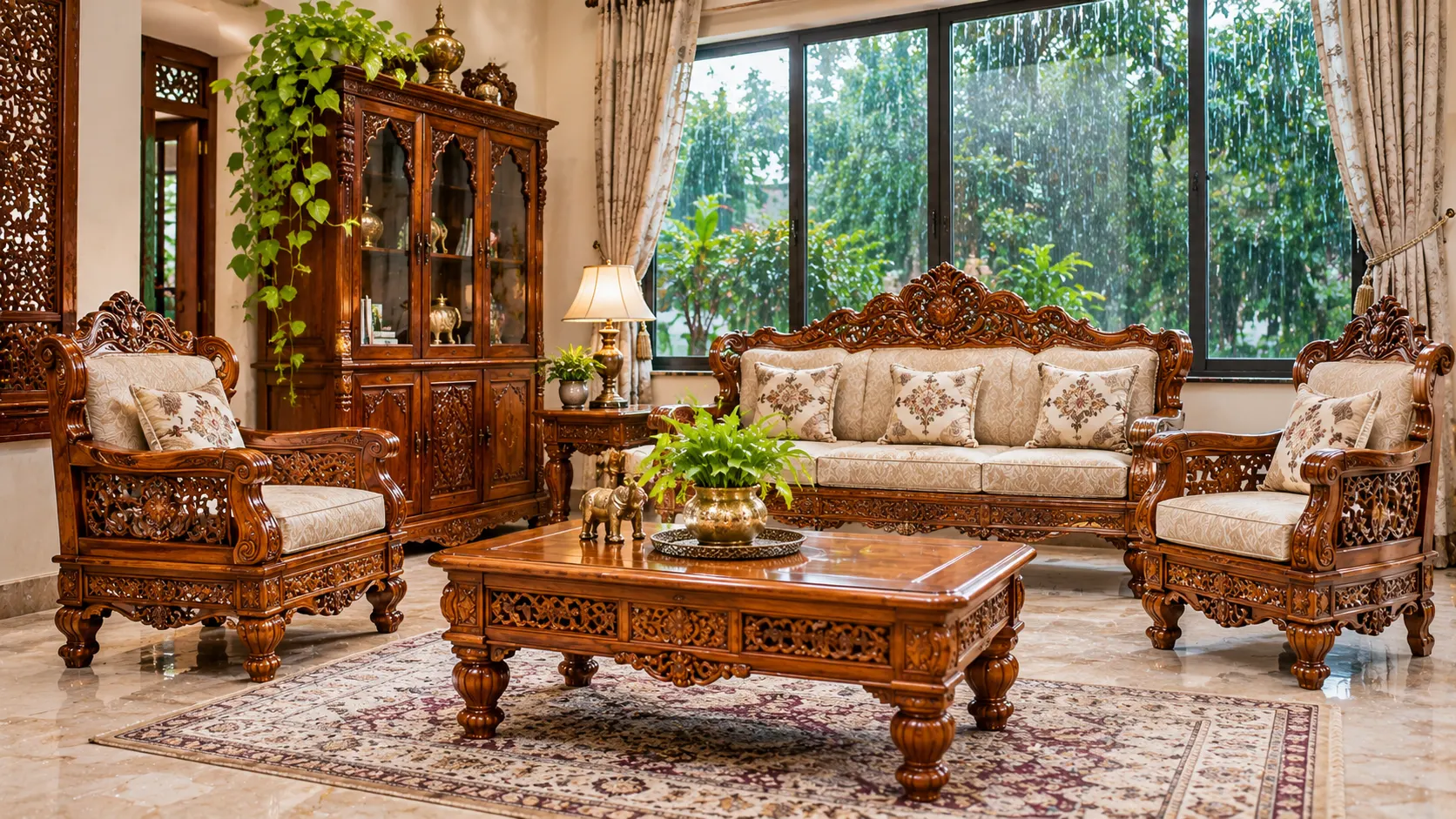
Wooden furniture brings warmth, elegance and timeless beauty to a home. From beautifully carved sofa sets and royal wooden beds to dining tables, cabinets and decorative furniture, handcrafted pieces can become an important part of your home’s identity. However, maintaining their appearance and durability requires proper care, especially when seasonal weather conditions bring humidity, moisture and the risk of termites.
For homeowners investing in Royal Wooden Furniture Saharanpur, understanding how local weather can affect wood is essential. Saharanpur experiences seasonal changes, including humid monsoon conditions, warm summers and cooler winters. Changes in moisture and temperature can affect wooden surfaces, joints, polish and the overall condition of furniture if it is not maintained properly.
Whether you own traditional wooden carved furniture or modern premium furniture, a few practical habits can help preserve its finish and beauty for years.
In this guide, we will explain how humidity affects wooden furniture, how to reduce termite risks, how to clean carved surfaces and how to maintain handcrafted wooden furniture throughout the year.
Why Wooden Furniture Needs Special Care in Saharanpur
Wood is a natural material. Unlike many synthetic furniture materials, it can respond to changes in temperature and moisture in its surroundings.
When the air becomes humid, wood may absorb moisture. When the air becomes very dry, it can gradually lose moisture. These changes may affect the dimensions, finish and stability of certain wooden components.
For homeowners in Saharanpur, the monsoon season deserves particular attention because moisture can enter homes through windows, doors, damp walls and poorly ventilated spaces.
Common issues associated with unsuitable furniture conditions include:
- Swelling or slight dimensional changes in wooden components.
- Damage to polish or surface finishes due to repeated moisture exposure.
- Musty smells when furniture remains in damp surroundings.
- Loosening of joints over time.
- Mould growth on surfaces exposed to persistent dampness.
- Increased risk of termite activity where suitable conditions and access exist.
These problems do not mean that wooden furniture is unsuitable for the local climate. Rather, they highlight the importance of choosing good-quality furniture and following appropriate maintenance practices.
How Humidity Affects Handcrafted Wooden Furniture
Humidity refers to the amount of moisture present in the air. Wooden furniture can absorb or release moisture depending on the surrounding conditions.
This natural behaviour is one reason why furniture should be kept in a reasonably stable indoor environment.
1. Swelling of Wooden Components
When wood absorbs excess moisture, some components may expand. Depending on the construction and finish, this can affect drawers, cabinet doors, joints and other fitted parts.
For example, a wooden drawer that normally slides smoothly may become difficult to open during a period of high humidity.
Care tip: Keep the room ventilated and avoid placing furniture against damp walls. If a drawer or door starts sticking, do not force it. Check for moisture or alignment issues and seek professional help if the problem continues.
2. Changes in Polish and Surface Finish
Moisture can affect some surface finishes, especially when water remains on the furniture for an extended period.
Possible signs include dull patches, water marks, cloudy areas or changes in the appearance of the polish.
Care tip: Wipe spills immediately using a soft, dry cloth. Avoid leaving wet glasses, flowerpots or damp decorative items directly on wooden surfaces. Use suitable coasters and protective mats.
3. Musty Smell and Mould Risk
Furniture kept in damp, poorly ventilated rooms may develop an unpleasant smell. Persistent moisture can also encourage mould growth on certain surfaces.
This is particularly important for furniture placed near damp corners, leaking windows or walls affected by seepage.
Care tip: Identify and fix the source of moisture rather than simply cleaning the furniture repeatedly. Improve ventilation and keep the furniture surface dry.
4. Changes in Wooden Joints
Wooden furniture contains joints that connect different parts of its structure. Repeated changes in moisture levels may place stress on some joints.
If a chair, table or bed begins to wobble, it may need inspection.
Care tip: Avoid dragging heavy furniture across the floor. Check for unusual movement and arrange repairs instead of continuing to use a structurally unstable piece.
Practical Ways to Protect Royal Wooden Furniture During Monsoon
The monsoon season is a good time to review your furniture-care routine. A little preparation can help reduce moisture-related problems.
1. Keep Furniture Away from Damp Walls
One of the simplest precautions is to leave some space between wooden furniture and walls.
Walls affected by seepage or condensation can transfer moisture to furniture placed directly against them.
Try to:
- Leave a small gap between furniture and walls.
- Avoid placing large wooden cabinets against visibly damp surfaces.
- Check corners behind wardrobes and beds occasionally.
- Repair leaking pipes and wall seepage promptly.
This is particularly useful for large furniture pieces such as wardrobes, cabinets and wooden beds.
2. Maintain Proper Room Ventilation
Good airflow helps reduce the accumulation of moisture inside rooms.
Whenever outdoor conditions are suitable, allow fresh air to circulate through your home. Keep furniture areas free from unnecessary clutter that blocks ventilation.
If a room remains damp for long periods, a properly sized dehumidifier may help manage indoor moisture. Follow the appliance manufacturer’s instructions and monitor room conditions rather than assuming that every room requires the same setting.
3. Avoid Direct Water Contact
Water is one of the most common causes of preventable surface damage.
Avoid:
- Cleaning wooden furniture with excessive water.
- Placing wet clothes on wooden chairs or beds.
- Keeping uncovered water containers on wooden tables.
- Allowing rainwater to enter through open windows.
- Leaving wet cleaning cloths on furniture.
If water spills onto the surface, wipe it away immediately with a clean, dry, soft cloth.
4. Check Furniture After Heavy Rain
After periods of heavy rainfall, inspect furniture placed near windows, balconies, exterior walls and damp corners.
Look for:
- Water stains.
- Unusual smells.
- Changes in polish.
- Dampness around furniture legs.
- Visible mould or discolouration.
Early attention can help prevent a small moisture issue from becoming a bigger maintenance problem.
Termite Prevention Tips for Wooden Furniture
Termites can cause serious damage to wooden structures and furniture. They may remain unnoticed for a long time because some activity happens inside wood or in concealed areas.
Protecting furniture from termites requires more than simply applying a household spray. It involves reducing favourable conditions, inspecting vulnerable areas and responding quickly when warning signs appear.
1. Look for Early Signs of Termite Activity
Regular inspection is one of the most useful habits for homeowners.
Watch for these possible warning signs:
- Mud tubes on walls, floors or nearby surfaces.
- Small piles of fine material or discarded wings near windows and doors.
- Hollow-sounding wooden components.
- Unexplained damage to wooden surfaces.
- Tiny holes or weakened areas.
- Doors, frames or furniture components showing unusual deterioration.
These signs do not all confirm termites by themselves. For example, holes or powder-like material may have other causes, including wood-boring insects. A professional inspection can help identify the actual problem.
2. Keep the Area Around Furniture Clean and Dry
Termites may be attracted to suitable food sources and favourable environmental conditions. Damp areas and concealed wood-to-soil contact can increase risks around a property.
Follow these precautions:
- Do not store damp cardboard or waste wood near furniture.
- Keep floors and corners clean.
- Repair plumbing leaks.
- Avoid allowing wooden items to remain in contact with damp floors.
- Inspect storage areas regularly.
- Keep unused wooden materials away from the house.
These practices help reduce avoidable risks, although they cannot guarantee complete termite prevention.
3. Inspect Furniture Legs and Hidden Areas
Furniture legs, lower panels, rear sections and areas close to floors can be easy to overlook.
During routine cleaning, inspect these areas carefully. Pay attention to furniture kept in ground-floor rooms, storage spaces and rooms with moisture problems.
For larger furniture pieces, check the underside where accessible without lifting or moving heavy items unsafely.
4. Do Not Depend Only on Household Sprays
Applying an ordinary insect spray to the visible surface may not solve a termite infestation inside the wood or building structure.
If you notice mud tubes, hollow wood or recurring termite activity, contact a qualified pest-control professional. They can identify the type and extent of the problem and recommend an appropriate treatment.
Avoid applying strong chemicals, petrol, kerosene or unapproved mixtures to furniture. These can damage the finish, create health risks and fail to address the source of the infestation.
How to Clean Handcrafted Wooden Furniture Without Damaging Its Finish
Handcrafted wooden furniture often includes decorative carving, detailed patterns and carefully finished surfaces. Cleaning these pieces requires a gentle approach.
The goal is to remove dust and everyday dirt without scratching the surface or exposing the wood to excessive moisture.
Step 1: Remove Loose Dust
Use a soft microfiber cloth or a clean, soft-bristled brush.
For carved furniture, gently remove dust from decorative grooves and detailed areas. Avoid using hard brushes that may scratch the polish.
Step 2: Wipe the Surface Gently
Use a clean, dry or slightly damp microfiber cloth, depending on the surface and manufacturer’s care instructions.
If you use a damp cloth, it should not be dripping wet. Follow immediately with a dry cloth so moisture does not remain on the furniture.
Step 3: Clean Carved Details Carefully
Decorative carvings can collect dust in small corners.
A soft brush can help reach these areas. Work gently and avoid pushing dirt deeper into the design.
This is especially important for Wooden Carved Furniture, where the fine details contribute to the overall appearance of the piece.
Step 4: Use Suitable Furniture Products
Not every polish, wax or cleaning product is suitable for every wooden finish.
Before applying a new product:
- Read the manufacturer’s instructions.
- Check whether it is suitable for the furniture’s finish.
- Test it on a small, inconspicuous area.
- Avoid abrasive cleaners and harsh chemicals.
- Do not mix different cleaning products.
If the furniture has a special coating or finish, ask the furniture maker or a professional before using a polishing treatment.
Seasonal Wooden Furniture Maintenance Checklist
Different seasons create different maintenance needs. A simple routine can help you identify problems early.
| Season | Main concern | Recommended care |
| Summer | Heat and direct sunlight | Keep furniture away from intense direct sunlight and excessive heat |
| Monsoon | Humidity and moisture | Improve ventilation, inspect damp corners and wipe spills immediately |
| Winter | Dry indoor air and temperature changes | Maintain stable indoor conditions and inspect joints |
| Throughout the year | Dust and everyday wear | Clean gently and inspect hidden areas regularly |
Monsoon Maintenance
During humid months:
- Check for damp walls and water leakage.
- Keep furniture away from wet windows and balconies.
- Inspect the underside of beds and cabinets.
- Avoid wet cleaning methods.
- Check for unusual smells or visible mould.
Summer Maintenance
During hot weather:
- Avoid prolonged direct sunlight on wooden surfaces.
- Use curtains or blinds where necessary.
- Keep furniture away from heaters and other heat sources.
- Clean dust regularly.
Winter Maintenance
During winter:
- Avoid sudden and extreme temperature changes where possible.
- Inspect joints and moving parts.
- Keep furniture clean and dry.
- Check for cracks or changes that may require professional attention.
How to Care for Different Types of Royal Wooden Furniture
Different furniture pieces have different designs and functional requirements. A sofa, bed, dining table and carved cabinet should not necessarily receive identical care.
1. Wooden Sofa Sets
A wooden sofa set often combines a wooden frame with upholstery.
For proper maintenance:
- Dust the exposed wooden frame regularly.
- Clean carved arms and legs with a soft brush.
- Avoid placing the sofa directly against damp walls.
- Follow separate cleaning instructions for fabric or leather upholstery.
- Check the frame if you notice unusual movement or sounds.
If you are exploring handcrafted seating options, visit the Sofa Set Collection at Fatima Handicraft.
2. Premium Wooden Beds
Beds have several components that deserve regular attention, including the frame, headboard, side panels and support structure.
Recommended care:
- Clean the headboard and carved sections gently.
- Check the area beneath the bed for dust and moisture.
- Avoid storing damp items underneath.
- Inspect joints and support components periodically.
- Do not overload storage sections.
You can explore different styles through the Premium Bed Collection.
3. Wooden Dining Tables
Dining tables are exposed to food spills, water marks, heat and daily use.
To maintain their appearance:
- Use coasters for glasses and cups.
- Place heat-resistant mats under hot dishes.
- Clean spills immediately.
- Avoid cutting directly on the wooden surface.
- Use suitable table mats during meals.
Explore the Table Collection for furniture options suited to different spaces and uses.
4. Wooden Chairs
Chairs experience repeated movement and weight-bearing use.
For better maintenance:
- Check the joints and legs periodically.
- Avoid rocking or tilting chairs unnecessarily.
- Clean decorative details with a soft brush.
- Do not drag chairs across rough floors.
- Repair loose joints promptly.
See the Chair Collection for different chair styles.
5. Wooden Mandirs and Decorative Carved Furniture
Decorative furniture may contain intricate details that collect dust more easily.
Use a soft brush for detailed areas and avoid excessive water or harsh cleaning products. Keep the furniture away from damp corners and inspect the base periodically.
For a traditional prayer-space furniture option, explore the Mandir Collection.
Common Wooden Furniture Care Mistakes to Avoid
Even premium furniture can lose its appearance if it is maintained incorrectly.
Here are some mistakes to avoid:
Using Too Much Water
Wooden furniture should not be cleaned like a tiled floor. Excess water can enter joints, edges and unfinished areas.
Use a controlled amount of moisture only when appropriate, and dry the surface immediately.
Applying Any Polish Without Checking Compatibility
Some polishing products may not be suitable for particular finishes. A product that works on one surface may leave another surface cloudy or sticky.
Always check compatibility before application.
Ignoring Damp Walls
Furniture placed against a damp wall may experience recurring moisture exposure. Cleaning the furniture without fixing the wall problem will not solve the underlying issue.
Leaving Furniture in Direct Sunlight
Strong sunlight over long periods may cause fading, uneven colour changes or drying of certain finishes.
Use curtains or reposition furniture when practical.
Ignoring Small Termite Warning Signs
A small mud tube or unusual wood damage should not be ignored. Early inspection can help establish whether termites are present and what treatment is required.
How to Choose Handcrafted Wooden Furniture for Long-Term Use
Good furniture care begins before the furniture reaches your home. Selecting a well-designed, appropriately constructed piece can make everyday maintenance easier.
When comparing Handcrafted Wooden Furniture, consider these points:
Check the Construction
Look at the overall structure, joints, edges and supporting components. Furniture should feel stable and suitable for its intended use.
Inspect the Finish
A consistent finish contributes to the appearance and helps protect the surface. Check for visible rough patches, uneven coating or unfinished areas.
Understand the Material
Ask which wood or engineered material has been used. Different materials have different strengths, limitations and maintenance requirements.
Do not assume that every handcrafted or carved product uses the same wood.
Consider the Design
Intricate carving can create a beautiful appearance, but it may require more detailed dusting. Choose a design that suits both your interior style and your willingness to maintain it.
Ask About Maintenance Instructions
Before purchasing, ask the seller about:
- Recommended cleaning methods.
- Suitable polish or surface-care products.
- Moisture-related precautions.
- Repair and maintenance support.
- Any specific care instructions for the finish.
These questions are useful when investing in Premium Royal Furniture for a living room, bedroom or dining area.
Why Craftsmanship and Regular Care Matter
The appeal of royal wooden furniture is not limited to its appearance. The construction, finishing, design and detailing all contribute to the experience of owning a furniture piece.
Saharanpur is widely associated with woodcraft and carved wooden products. For buyers considering Royal Wooden Furniture Saharanpur, it is worth paying attention to both craftsmanship and practical maintenance requirements.
Fatima Handicraft describes its furniture offering as a combination of style, comfort, functionality and craftsmanship for homes, offices and commercial spaces. Its website features collections such as sofa sets, premium beds, dining furniture, chairs, tables, mandirs and wardrobes.
You can browse the Fatima Handicraft website to explore its furniture categories and contact the business for product-specific details.
Remember that even well-made furniture benefits from a clean, dry environment and regular inspection. Good maintenance helps you enjoy the furniture’s design while reducing avoidable wear.
When Should You Call a Professional?
Some furniture-care problems can be managed with routine cleaning, but others require professional attention.
Consider getting expert help when:
- A wooden component becomes loose or unstable.
- The polish starts peeling or develops persistent cloudy patches.
- There is visible mould that keeps returning.
- A drawer or door remains stuck despite normal environmental conditions.
- You find signs that may indicate termite activity.
- The furniture has deep cracks or structural damage.
- You are unsure which cleaning or restoration product is safe for its finish.
For suspected termite activity, contact a qualified pest-control professional. For structural or finish damage, consult an experienced furniture repair or restoration specialist.
Avoid trying aggressive DIY treatments on valuable carved or polished furniture.
Frequently Asked Questions (FAQs)
1. How can I protect wooden furniture from humidity in Saharanpur?
Keep furniture away from damp walls, improve room ventilation, repair water leaks and wipe spills immediately. Avoid excessive wet cleaning and inspect furniture regularly during the monsoon.
2. Does humidity damage handcrafted wooden furniture?
High humidity can cause wood to absorb moisture. Depending on the wood, construction and finish, this may contribute to swelling, sticking drawers, finish changes or joint-related problems. Proper indoor conditions and regular maintenance can reduce these risks.
3. How can I identify termites in wooden furniture?
Look for possible signs such as mud tubes, discarded wings, hollow-sounding wood and unexplained damage. These signs need proper inspection because other wood-related problems can look similar.
4. What is the safest way to clean wooden carved furniture?
Use a soft microfiber cloth and a soft-bristled brush for detailed carvings. Avoid abrasive materials, excessive water and harsh chemicals. Follow the furniture maker’s care instructions for the specific finish.
5. Should wooden furniture be placed directly against a wall?
It is generally better to leave a small gap, particularly if the wall is damp or poorly ventilated. This allows airflow and makes it easier to inspect the area behind the furniture.
6. Can I use ordinary insect spray to prevent termites?
Ordinary household insect sprays should not be treated as a reliable solution for termite infestations. If you notice suspected termite activity, arrange a professional inspection and use an appropriate treatment.
7. How often should I clean handcrafted wooden furniture?
Light dusting can be done regularly, depending on how quickly dust collects in your home. Clean spills immediately and inspect joints, carved sections and hidden areas periodically.
8. Does direct sunlight affect premium wooden furniture?
Prolonged direct sunlight may fade the finish or cause uneven colour changes. Use curtains or blinds and avoid placing valuable furniture where it receives strong sunlight throughout the day.
9. How do I maintain a wooden sofa set during the monsoon?
Keep the sofa away from damp walls, clean its wooden frame with a soft cloth, avoid wet upholstery and check the legs and lower frame for moisture. Follow the upholstery manufacturer’s separate cleaning instructions.
10. Where can I explore handcrafted wooden furniture in Saharanpur?
You can visit Fatima Handicraft online to explore its furniture categories, including sofa sets, premium beds, chairs, tables and mandirs. Contact the business directly to confirm the materials, finish, care instructions and availability of a particular design.
Conclusion
Wooden furniture is an investment in comfort, design and the character of your home. Whether you own a traditional carved cabinet, a premium wooden bed, a dining table or a beautifully designed sofa set, regular care can help maintain its appearance and usability.
In Saharanpur, paying attention to monsoon humidity, damp walls, ventilation and possible termite activity is particularly important. Clean furniture gently, avoid excessive moisture, inspect hidden areas and seek professional help when you notice signs of structural damage or pests.
If you are planning to explore Royal Wooden Furniture Saharanpur, choose furniture with suitable construction and finishing, ask about its maintenance requirements and follow a consistent care routine.
Explore the collections at Fatima Handicraft and contact the team to discuss furniture styles and product-specific information for your home.
A little regular care can help keep the beauty of handcrafted wooden furniture alive for years.




Leave a Reply